



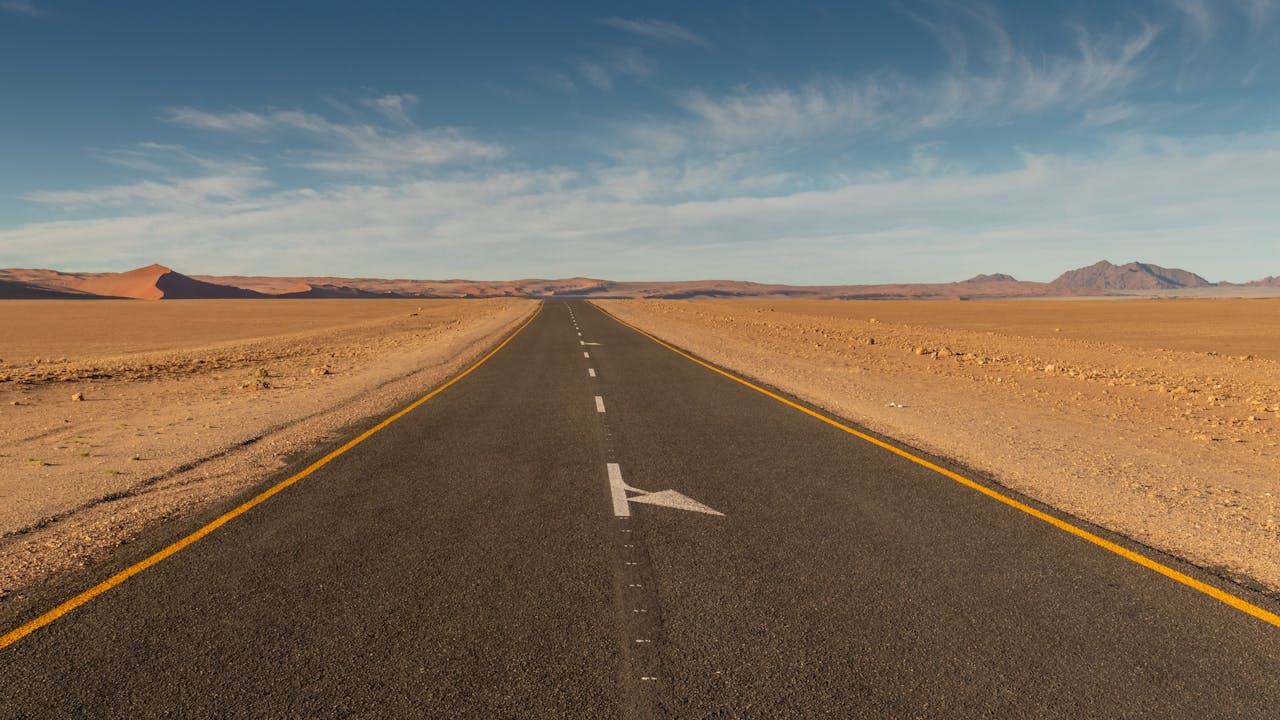
Planning an epic Namibian road trip? Learn how to get your vehicle ready for gravel roads, remote terrain, and long distances across Namibia.
Why Preparation is Everything in Namibia
Namibia’s rugged beauty, vast desert landscapes, and off-the-grid destinations make it one of the most exciting countries for road trips in Africa. Whether you're heading to Etosha National Park, Sossusvlei, or Skeleton Coast, your journey can quickly become dangerous or costly if your vehicle isn't up to the challenge.
In this guide, we break down everything you need to know to prepare your car or 4x4 for a Namibian road trip—from tire checks to safety gear, spares, and paperwork. Get ready to drive with confidence and peace of mind.
For more self-drive tips, explore our Namibia Travel & Driving Guides.
Understanding Namibia’s Driving Conditions
Terrain Types You’ll Encounter
-
Gravel Roads: Over 70% of Namibian roads are gravel, which can be loose and unpredictable.
-
Sandy Tracks: Especially in desert regions like the Namib or Kaokoland.
-
Riverbeds & Rocky Trails: In remote areas like Damaraland and Zambezi.
-
Tarmac: Found on major highways like B1 and B2.
Learn more in our article on Gravel vs. Tarmac Driving in Namibia.
1. Perform a Full Vehicle Inspection
Engine & Fluids
Before you set off:
-
Check oil, coolant, brake, and transmission fluids
-
Inspect the radiator and belts for wear
-
Clean the air filter, especially if heading to dusty areas
Tip: Get a professional service 1–2 weeks before your trip. That gives you time to address any surprise issues.
Battery Health
Namibia’s heat and long drives can drain a weak battery fast. Test its voltage and terminals, and consider replacing older batteries before a major trip.
2. Tires: The Most Important Contact Point
Tread, Pressure & Spares
Namibian gravel can shred under-inflated or worn tires. Ensure:
-
At least 4mm tread depth
-
Tire pressure aligns with your vehicle load (including roof racks)
-
A full-sized spare—or two if driving remote routes
Also, pack a tire repair kit, compressor, and wheel spanner.
Check our detailed Namibia Tire Safety Guide for more.
3. Brakes, Suspension & Steering
These systems take a pounding on Namibia’s roads:
-
Test brakes and top up brake fluid
-
Listen for suspension knocks or uneven steering
-
Replace worn shocks—gravel corrugation can wear them out fast
Driving in Etosha? Find out how to handle wildlife road hazards in our Etosha Driving Guide.
4. Lights, Wipers & Visibility
You might find yourself driving at dawn, dusk, or through desert storms. Make sure:
-
All lights work, especially fog lights and indicators
-
Wiper blades are in good condition
-
Washer fluid is full
5. Essential Vehicle Equipment Checklist
Pack these vehicle must-haves:
-
Jumper cables
-
Fire extinguisher
-
Reflective triangles
-
Tow rope
-
Jack and jack base plate
-
Shovel
-
Portable fuel can (and a funnel)
For an extended list, read our Ultimate Namibia Road Trip Packing List.
6. Navigation & Connectivity
GPS and Offline Maps
Mobile signal is unreliable in remote regions. Download:
-
Offline GPS apps (e.g., Maps.me, Tracks4Africa)
-
Physical maps of Namibia’s main routes
Consider a satellite phone or radio communication system if traveling in groups.
7. Emergency Kit and First Aid
Your emergency kit should include:
-
First aid kit (with anti-inflammatories, antiseptics, bandages)
-
Water purification tablets
-
Flashlights with spare batteries
-
Power bank or car charger
Also, carry 5L–10L of emergency drinking water per person.
8. Check Your Paperwork
You may be stopped at police checkpoints. Always carry:
-
Valid driver’s license (International Driving Permit recommended)
-
Vehicle registration documents
-
Proof of insurance
-
Cross-border permits if driving to Botswana or South Africa
9. Fuel Management Strategy
Fuel stations can be hundreds of kilometers apart, especially in regions like the Kaokoveld or Zambezi. Always:
-
Refuel when you can—even if your tank is half full
-
Carry spare fuel in approved jerry cans
-
Use diesel vehicles if possible—they’re more fuel-efficient off-road
Want to calculate your route fuel cost? Use our Namibia Fuel Calculator Tool.
10. Know Your Vehicle’s Limits
Even the best-equipped SUV has limits. Avoid:
-
Deep sand unless you have off-road training and recovery gear
-
Water crossings without checking depth
-
Overloading—especially on roof racks
Explore our guide to Choosing the Right 4x4 for Namibia.
11. Test Drive Your Setup
Do a short weekend trip before the big one. Test:
-
Fuel consumption
-
Handling on gravel
-
Sleep setup (if camping in your vehicle)
This helps you identify weak spots early and adjust.
12. Bonus Tips for Overlanders
Roof Tents and Gear Storage
Balance your load. Avoid:
-
Overweight roof racks
-
Loose gear inside the cabin
-
Blocking rear visibility
Use labeled storage boxes for food, tools, and clothes.
Wildlife and Safety Tips
-
Don’t drive at night—risk of animal collisions
-
Stick to marked routes in national parks
-
Avoid speeding on gravel (ideal limit: 80 km/h)
Conclusion: Adventure Starts with Preparation
A road trip across Namibia promises endless adventure—from wide desert plains and hidden waterfalls to rare wildlife sightings. But those rewards come with risks if you hit the road unprepared.
By inspecting your vehicle, packing smart, and knowing what to expect, you’ll avoid breakdowns, stay safe, and truly enjoy the freedom of the open road. Whether you’re exploring the Skeleton Coast or watching elephants roam in the Zambezi, a little prep goes a long way.
For more Namibia road trip tips, vehicle reviews, and driving guides, head over to Caryange.com and start planning your next epic journey.
FAQs
1. What is the best vehicle for a Namibian road trip?
A high-clearance 4x4 is ideal—like the Toyota Land Cruiser, Ford Ranger, or Nissan Navara—especially for gravel and remote areas.
2. How much fuel should I carry?
Carry at least 20–40 liters extra, especially if you're going off-grid or beyond main towns. Always refill when available.
3. Are road trip permits needed in Namibia?
Most areas don’t need special permits, but parks like Etosha or Namib-Naukluft require entrance permits and fees at gates.
4. Can I drive a sedan for a road trip in Namibia?
You can for paved highways, but gravel roads and off-grid adventures are best handled by 4x4s or pickups.
5. What is the best time of year for a Namibia road trip?
Between May and October (dry season) offers great weather, better road conditions, and superb wildlife viewing.


