



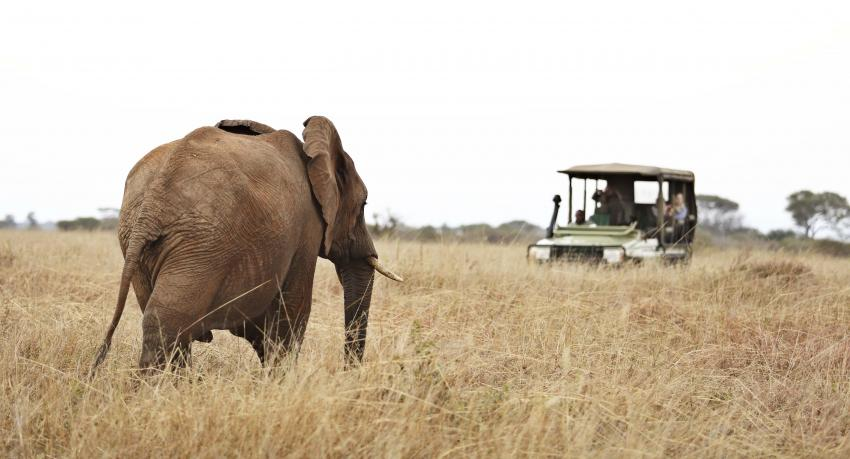
Embarking on a self-drive safari in Namibia is an adventure unlike any other. The country's vast, open landscapes and challenging terrains, from endless gravel roads to soft desert sands, demand more than just a sense of adventure—they require meticulous Namibia safari vehicle preparation. A well-prepared car is your best guarantee for a safe and stress-free journey, allowing you to focus on the breathtaking scenery and incredible wildlife.
This guide will walk you through the ten most crucial steps to ensure your vehicle is ready to handle everything Namibia throws at it. Following these tips is key to a successful trip, whether you're a seasoned overlander or a first-time visitor.
Vital Checks and Maintenance
-
Perform a Thorough Vehicle Inspection. Before you hit the road, a full service is non-negotiable. Pay special attention to your brakes, suspension, and steering. The corrugated gravel roads and long distances will test these systems to their limits. A professional inspection a week or two before you depart can catch any hidden issues, making this a vital step in Namibia safari vehicle preparation.
-
Focus on Your Tires. Your tires are the most critical point of contact with Namibia’s varied surfaces. You'll need more than a single spare. It’s highly recommended to carry at least two full-sized spares, a tire repair kit, and a portable air compressor. Remember to adjust tire pressure for different terrains—lower it for soft sand and gravel for better traction and a smoother ride.
-
Check All Fluids and Filters. The extreme desert heat puts a strain on your engine. Ensure all fluids—engine oil, coolant, and brake fluid—are topped up and in good condition. Regularly clean or replace your air filter, as the pervasive dust can clog it quickly, leading to poor engine performance. This attention to detail is essential for desert driving.
-
Manage Your Fuel Supply. Fuel stations can be hundreds of kilometers apart in remote areas. A key part of your safari car checklist is to always refuel whenever you have the chance, even if your tank is half full. Carrying a spare jerry can of fuel is a smart move, especially for trips through the vast northern regions.
Essential Gear and Safety
-
Pack an Emergency Kit. Your vehicle should be equipped with a comprehensive emergency kit. This includes a first-aid kit, a tow rope, jumper cables, a jack, and basic tools. Given the limited cell phone signal in many areas, a satellite phone is a wise investment for vehicle safety.
-
Equip for Self-Sufficiency. In addition to your emergency kit, prepare for long stretches between towns. Carry plenty of extra water (at least 5-10 liters per person per day), non-perishable food, and a shovel for getting unstuck from soft sand. Your Namibia safari vehicle preparation should always assume you might be on your own for a while.
-
Know Your Vehicle’s Limits. While a 4x4 tour Namibia is the best way to see the country, it doesn't make your vehicle invincible. Avoid driving into deep sand or water crossings without proper training and equipment. Stick to designated tracks and trails.
Driving Habits and Trip Planning
-
Understand Driving on Gravel Roads. Most of Namibia’s major tourist routes are on gravel. Always drive with your headlights on to increase visibility through dust clouds. Maintain a moderate speed, typically no more than 80 km/h, to prevent loss of control and tire damage. This driving skill is as important as any mechanical preparation.
-
Avoid Driving at Night. The risk of hitting wildlife or livestock is extremely high after sunset. Plan your itinerary to reach your destination well before dark. This is one of the simplest and most effective Namibia safari vehicle preparation tips for your safety.
-
Have the Right Documents and Navigation. Always have your valid driver's license, vehicle registration, and proof of insurance on hand. In areas with no signal, a reliable offline GPS system or a physical map is essential. For more insights on Namibia's auto sector and travel safety, you can explore portals like those at AfriCarGroup.
Following these steps will ensure your car is as ready for the journey as you are. A little effort in preparing your vehicle goes a long way towards an unforgettable Namibian adventure.
What are your top tips for preparing a car for a big road trip? Share your experiences and advice in the comments below!


