

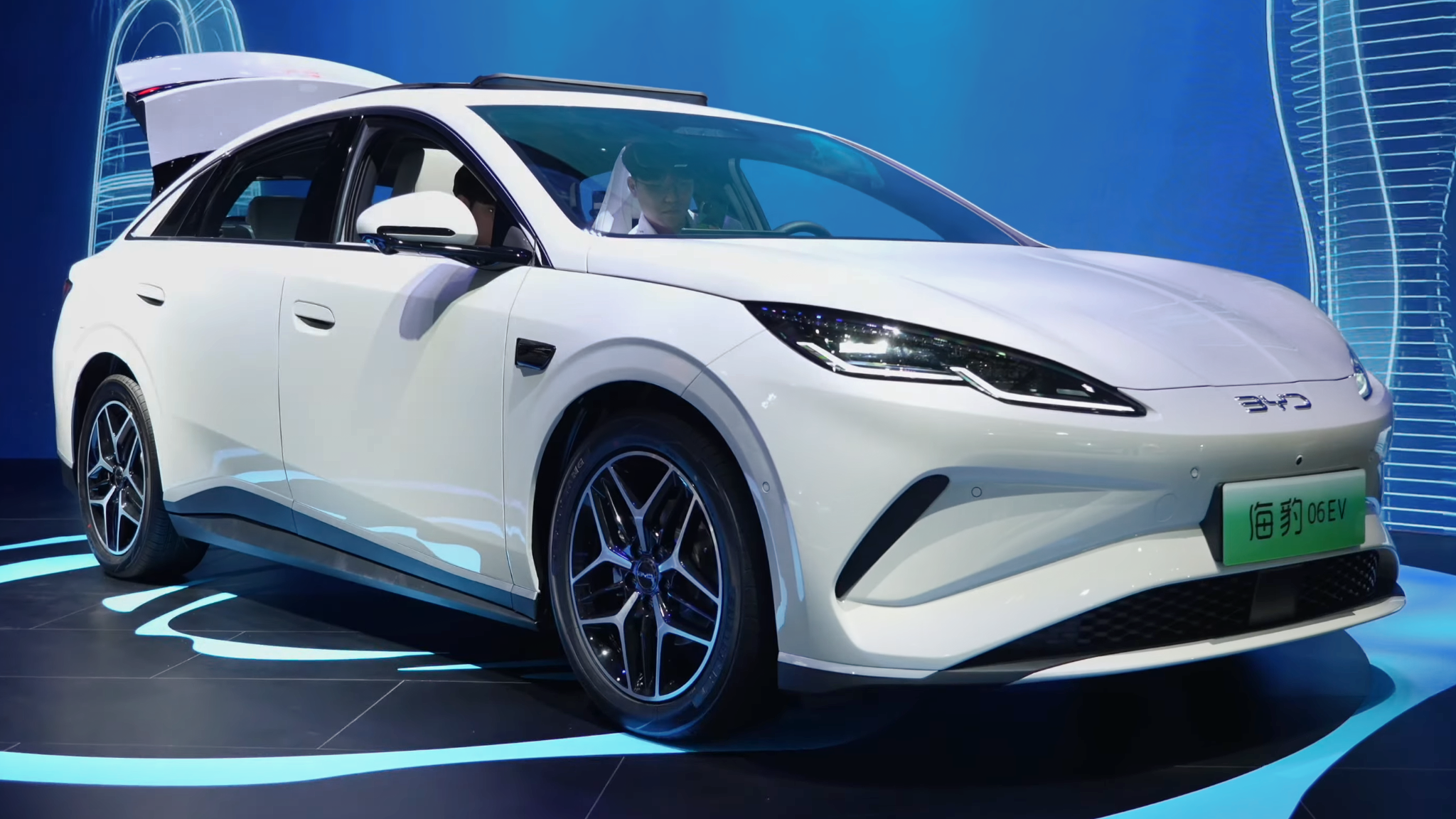
The Namibia EV Market holds enormous potential: lower maintenance costs, reduced fuel expenses, and near-zero emissions if powered by renewable electricity. Despite these advantages, fewer than 200 electric vehicles currently roam Namibia’s roads. Why the slow uptake? The answer often comes down to R.I.P.—Range, Infrastructure, and Price—the key obstacles slowing widespread adoption.
Range remains a central concern. Modern EVs typically travel between 350 and 650 km on a full charge, which is adequate for most daily trips. However, without a network of fast chargers capable of replenishing batteries within an hour, many potential buyers hesitate to invest in long-range vehicles.
Infrastructure Gaps Limiting Growth
The Namibia EV Market is also constrained by a lack of charging infrastructure. While some dealerships have announced plans to roll out basic networks covering Namibia’s tarred roads, progress has been slow. Without fast-charging stations along major routes, EV owners face “range anxiety” that discourages the purchase of new, expensive vehicles.
This infrastructure gap creates a classic chicken-and-egg scenario: dealerships hesitate to import EVs due to low demand, while potential buyers avoid EVs because charging facilities are scarce. For premium SUV-style EVs, this challenge is compounded by high costs, typically between N$1.3 million and N$1.9 million, making consumers reluctant to invest in vehicles they cannot easily charge en route.
Price and Pre-Owned Solutions
Price is the third pillar affecting the Namibia EV Market. New EVs remain expensive, limiting accessibility for average consumers. However, pre-owned EVs imported from regions like Europe and Asia offer a practical alternative. These vehicles often have sufficient range for city use and are more affordable, helping accelerate urban adoption in Windhoek and other cities.
Urban Adoption and Early Success
In metropolitan areas, the R.I.P. factors are less prohibitive. For city driving, EVs can be charged at home using standard outlets, reducing dependence on fast-charging infrastructure. Pre-owned EVs, combined with shorter daily distances, allow consumers to enjoy the benefits of electric mobility while avoiding major range or price concerns.
In Windhoek, EVs are increasingly visible as App-Taxis and private vehicles. Public charging points, such as those at Grove Mall, Windhoek Municipality, and Arandis, are beginning to appear, creating a foundation for further growth. Early adopters report positive experiences, with efficient operation and low running costs boosting interest in EV technology.
A Path Forward
The Namibia EV Market is slowly gaining momentum. Overcoming R.I.P. challenges will require coordinated efforts: expanding fast-charging infrastructure, offering financial incentives, and promoting awareness about EV benefits. Namibia’s natural solar energy resources present a unique opportunity to power charging stations sustainably, reducing operating costs and boosting confidence among potential buyers.
Platforms like AfricaCarNews are already highlighting EV developments, helping Namibians stay informed about new charging points, vehicle availability, and government initiatives.
While the Namibia EV Market faces challenges, growth is evident in urban hubs. Pre-owned vehicles, targeted infrastructure expansion, and policy support are gradually transforming the landscape. The hen-and-egg problem is slowly resolving, and EVs in Namibia are poised to move from niche curiosity to mainstream adoption. Step by step, Namibia is gearing up for a cleaner, more sustainable automotive future.
Are you considering switching to an electric vehicle in Namibia? Share your thoughts, experiences, or suggestions in the comments below and join the conversation on sustainable transport in the country!