

In the bustling coastal town of Walvis Bay, a monumental shift in African logistics is currently underway. Traditionally reliant on imported diesel to power its massive shipping and freight operations, the region is now actively transforming into a world-class Zero-Emission Port. At the very center of this industrial revolution is the rapid development of Namibia Green Hydrogen Heavy-Haul infrastructure, a groundbreaking initiative designed to completely decarbonize the nation's most demanding transport sectors while simultaneously boosting the local economy and driving the broader African Hydrogen Economy forward.
The Hydrogen Dune: Powering Clean Energy Logistics
The catalyst for this green transformation is the newly inaugurated "Hydrogen Dune" project, spearheaded by Cleanergy Solutions Namibia—a strategic joint venture between the local Ohlthaver & List Group and Belgium’s CMB.TECH. This state-of-the-art facility is Africa’s first fully integrated commercial green hydrogen plant. By utilizing a 5-megawatt solar park paired with a robust battery energy storage system, the off-grid facility powers a massive electrolyzer that splits water into clean hydrogen and oxygen. This localized production is the absolute backbone of Namibia Green Hydrogen Heavy-Haul operations, actively proving that renewable African sunshine can efficiently power the heaviest industrial machinery.
Fueling The Heavy-Duty Transition
Instead of exporting this clean fuel overseas, Walvis Bay is utilizing it directly on-site to clean up its own supply chains, advancing real-world Clean Energy Logistics. The immediate focus of the Namibia Green Hydrogen Heavy-Haul strategy is upgrading the existing commercial fleets. Today, locally produced hydrogen is being actively pumped into specialized dual-fuel transport vehicles and advanced Hydrogen Fuel Cell Trucks, as well as heavy-duty cargo cranes and bustling port yard tractors. By directly replacing toxic diesel exhaust with harmless water vapor, the local port authority is drastically improving coastal air quality while proving that Namibia Green Hydrogen Heavy-Haul logistics are both highly reliable and commercially viable for daily freight operations.
Expanding To Rail And Maritime Ecosystems
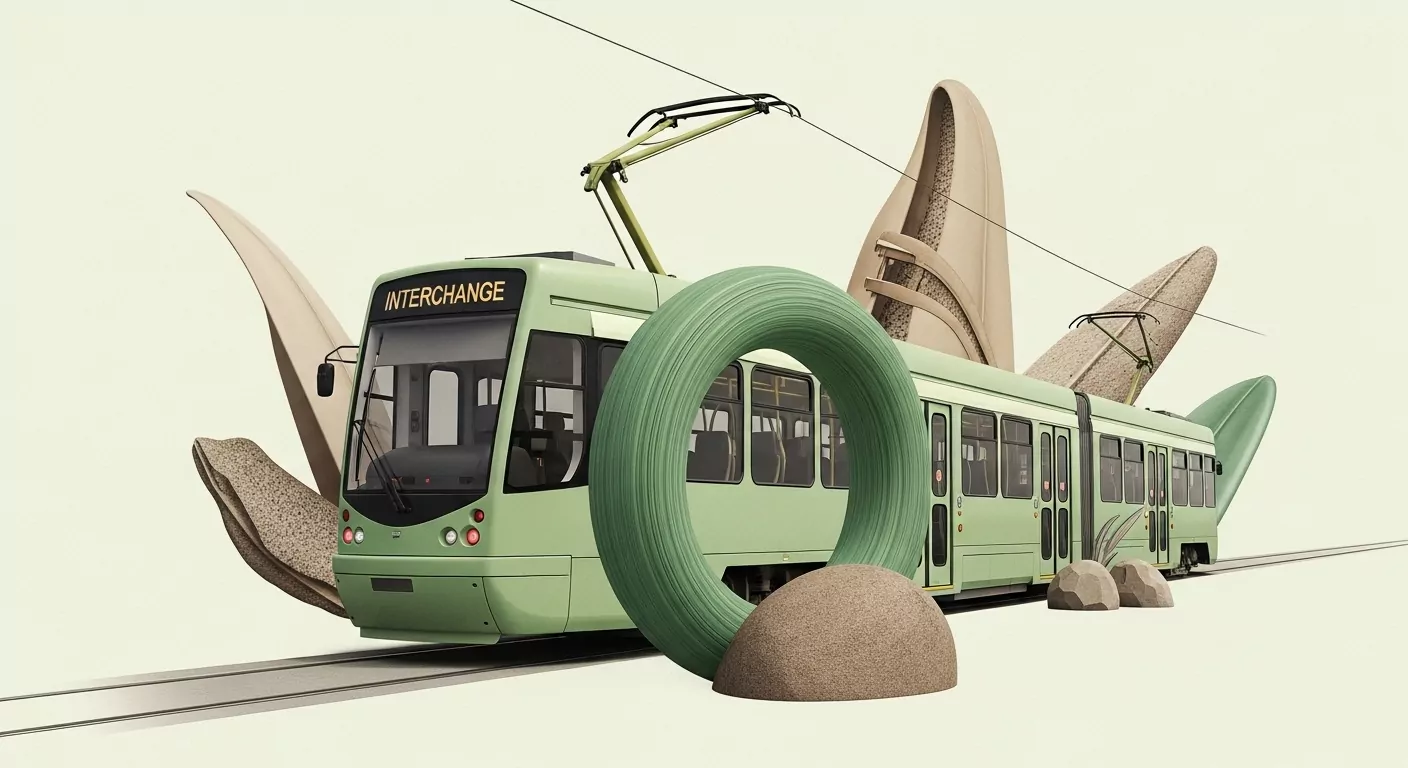
The vision for a clean logistics hub does not stop at the edge of the shipping yard. Throughout 2026, the scope of Namibia Green Hydrogen Heavy-Haul is aggressively expanding into the rail and maritime sectors. Engineers are currently repurposing dormant, diesel-chugging railway locomotives to run entirely on hydrogen power, bridging the gap between the coastal port and the inland industrial zones. Furthermore, a highly advanced, dual-fuel hydrogen harbor vessel is set to be deployed, cementing Walvis Bay's status as a comprehensive Sustainable Maritime Hub.
The Local Economic Impact
Beyond just swapping out engines, this green transition is heavily focused on human capital. The onsite Hydrogen Academy is actively upskilling local engineers and technicians to manage these advanced power systems. For logistics operators, international investors, and eco-conscious stakeholders wanting to continuously track the latest shifts in continental supply chains, renewable energy integration, and African automotive markets, exploring the expert daily insights at AfriCarNews is highly recommended.
Ultimately, the aggressive, successful rollout of Namibia Green Hydrogen Heavy-Haul networks actively guarantees that the future of African trade will be powered by clean, sustainable innovation rather than polluting fossil fuels.
Do you think green hydrogen is the ultimate fuel for the future of global shipping and heavy trucking? How can other coastal African cities replicate the incredible success of Walvis Bay? Share your thoughts, questions, and green energy ideas in the comments below!