

As the global push for zero-emission transport accelerates, Namibia is rapidly positioning itself at the absolute forefront of the Green Hydrogen Economy. With massive solar-to-hydrogen production plants emerging around coastal hubs like Walvis Bay, local logistics companies face a unique, highly specific challenge: how to transition their existing fleets to clean energy without immediately discarding perfectly functional, highly expensive diesel trucks. The most cost-effective, immediate solution is executing a Namibia Hydrogen-Diesel Dual Fuel conversion. This highly innovative Heavy-Duty Truck Modification allows fleet operators to drastically cut their carbon emissions while seamlessly maintaining the immense range and torque required for long-haul desert transport.
Understanding The Core Mechanics Of The Conversion
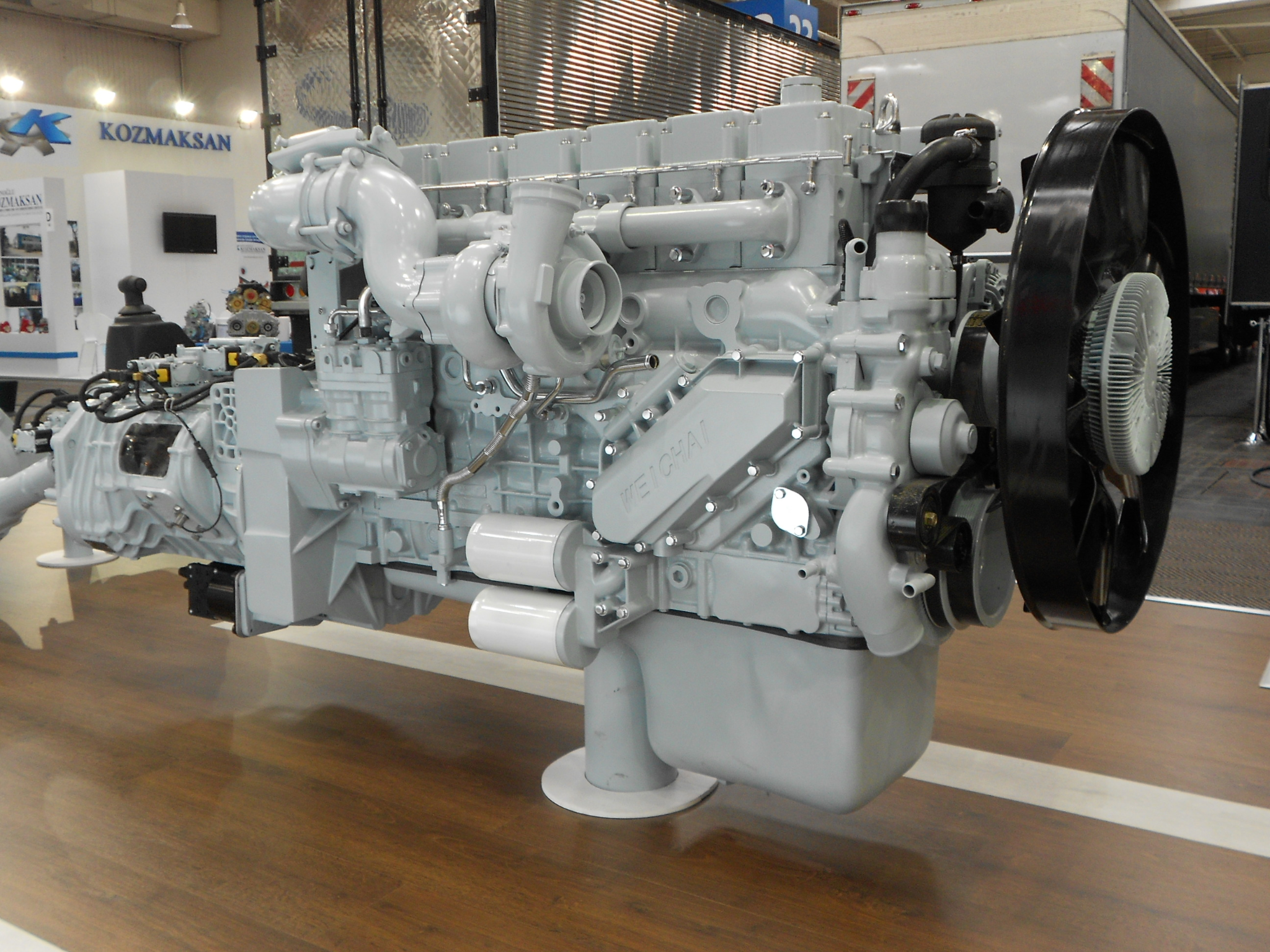
Transforming a traditional internal combustion engine to run efficiently on two completely different fuels simultaneously requires highly precise engineering. A Namibia Hydrogen-Diesel Dual Fuel system does not replace diesel entirely; rather, it strategically displaces a massive percentage of it with clean-burning hydrogen gas. Because hydrogen inherently requires a reliable ignition source when used inside a compression-ignition engine, a very small pilot injection of standard diesel is still utilized to ignite the compressed air-hydrogen mixture.
Installing Dual-Fuel Injection Systems
The physical heart of any successful Namibia Hydrogen-Diesel Dual Fuel setup involves meticulously retrofitting the engine's main intake manifold. Automotive technicians must install advanced Dual-Fuel Injection Systems that carefully meter pressurized hydrogen gas directly into the airstream right before it enters the engine's combustion chamber.
This sophisticated hardware setup ensures that the hydrogen mixes thoroughly and evenly with the intake air, allowing the Namibia Hydrogen-Diesel Dual Fuel engine to operate incredibly smoothly without experiencing dangerous engine knocking or pre-detonation.
The Role Of Engine Control Units (ECU)
Adding mechanical hardware is only half the battle. To guarantee optimal daily performance and absolute safety, the vehicle's electronic brain must be completely reconfigured. The factory Engine Control Unit (ECU) is typically either reprogrammed or piggybacked with a highly specialized, dedicated dual-fuel controller.
Mapping The Software For Clean Energy Logistics
This newly installed software continuously monitors engine load, RPM, and exhaust gas temperatures to dynamically adjust the exact hydrogen-to-diesel ratio in real-time. During steady highway cruising, the system can seamlessly displace up to 80% of the burned diesel. This highly intelligent software mapping is the absolute key to unlocking true Clean Energy Logistics, strictly guaranteeing that the Namibia Hydrogen-Diesel Dual Fuel truck continuously operates at peak thermal efficiency across the highly challenging African terrain.
Safety And Storage Requirements
Handling highly compressed hydrogen gas requires incredibly stringent safety protocols. The most critical aspect of this heavy-duty mechanical upgrade is the safe installation of the onboard high-pressure storage cylinders.
Integrating High-Pressure Tanks For Sustainable African Freight
High-capacity, lightweight, carbon-fiber-reinforced Type IV cylinders are typically mounted securely behind the truck cab or integrated along the heavy steel chassis rails.
These advanced tanks safely store hydrogen gas at intense pressures reaching up to 350 bar. To fully support highly reliable Sustainable African Freight, the Namibia Hydrogen-Diesel Dual Fuel system also strictly incorporates redundant safety pressure valves, digital regulators, and automated leak-detection sensors that instantly shut off the gas supply in the unlikely event of an anomaly.
As local fleet operators continue to aggressively pioneer this green technology, staying continuously informed on the latest engineering breakthroughs is absolutely essential. For transport professionals and mechanics wanting to continuously track the ongoing evolution of African infrastructure, exploring the expert daily insights at AfriCarNews is highly recommended.
Ultimately, aggressively adopting a Namibia Hydrogen-Diesel Dual Fuel strategy provides a highly practical, financially viable bridge directly to a zero-emission future, ensuring that the nation's heavy-haul industry remains both robust and deeply eco-friendly.
Are you considering upgrading your commercial freight fleet to run on a dual-fuel hydrogen system? What do you think are the biggest physical challenges when storing hydrogen on long-haul heavy-duty trucks? Share your technical insights, questions, and green engineering ideas in the comments below!